


Explore a clinical trial for potential Alzheimer's disease treatment options. Fill out a quick questionnaire to see if you’re eligible.

92% of people would want to take a medication that could slow Alzheimer’s disease progression. Still, treatments are limited. They don't sufficiently improve symptoms or slow disease progression.

The top cause of age-related dementia, Alzheimer’s disease destroys cognition (thinking and understanding). Clinical trials are developing new treatments that may slow the disease and improve cognition.

Clinical trial participants may access potential new therapies that are not yet available, receive close medical care, and contribute to research that could benefit future generations.

“I wholeheartedly hope other people will step up and do it, so they have enough people to fully carry this through.”
Penny
Clinical Study Participant

“I thought this would be a good option for me to get involved with a study that’s going to help people, and with any fortunate of luck, it will help me, too.”
Charles
Clinical Study Participant
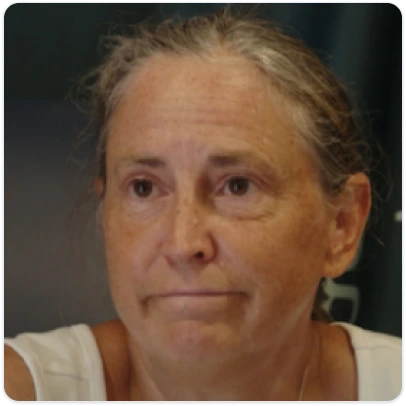
“We need people to participate in studies to be able to get these things out there and get them approved.”
Janet
Clinical Study Participant

“I think that people should try to help other islanders by getting this study going, and I think you should do it.”
Mike
Clinical Study Participant

“Research is always important because we want to put these bad illnesses behind us.”
Karen
Clinical Study Participant
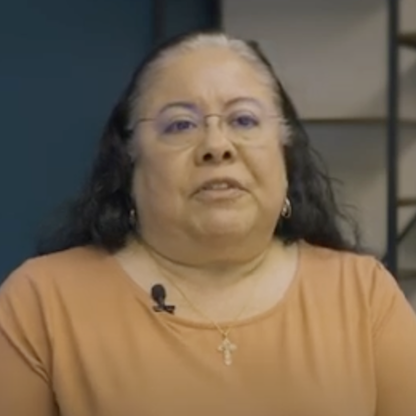
“Research is your way to help yourself, your family and all others around to possibly benefit from a life-saving drug or medication down the road that today is not available.”
Olga
Clinical Study Participant
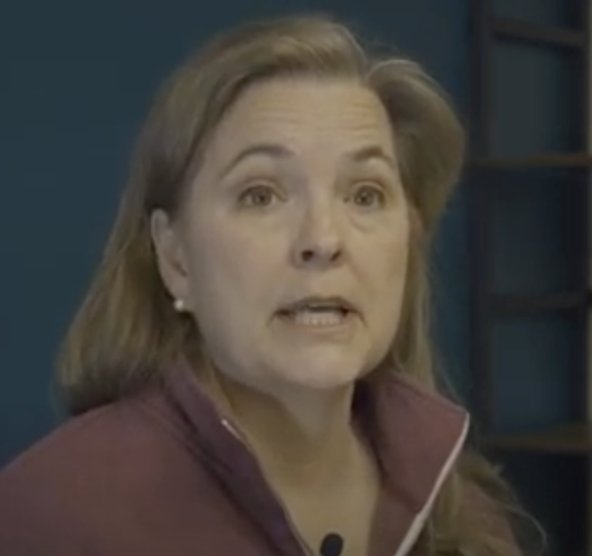
“It’s necessary, and something that we can all do to help move the ball forward…to be involved so that we can be a part of something that’s bigger than ourselves and can help somebody else in the future and maybe help yourself.”
Melissa
Clinical Study Participant
Testimonials provided by trial participants are personal experiences and do not necessarily represent the views of the trial sponsor or Care Access. They are not a substitute for medical advice, and the results of the trial may vary based on individual circumstances. Always consult with your healthcare provider before making any medical decisions.

Eligible participants may receive:

Alzheimer’s disease is a progressive brain disease that causes memory loss, confusion, and trouble with thinking and completing daily tasks. It is caused when abnormal protein buildups in the brain cause brain cells to die over time. While this condition mainly affects older adults, it’s not a normal part of aging.
Dementia is a group of symptoms caused by conditions such as Alzheimer’s disease or stroke. Dementia negatively affects a person’s ability to remember, think, and make decisions, making it harder to manage everyday life.
Right now, there is no cure for Alzheimer’s disease. While approved Alzheimer’s disease treatment options are available to manage symptoms and sometimes slow the progression, clinical trials are working to develop more effective therapies and, ultimately, a cure.
There are multiple stages of Alzheimer’s disease. They’re often referred to as “mild, moderate, and severe,” or “early, middle, and late,” but the naming isn’t consistent. A doctor can provide clarity on stages.